TL;DR: Key Takeaway
Almost every local business owner has a story about Facebook ads that went nowhere. In nearly every case the platform wasn't the problem. Here are the seven mistakes that actually cause it, and how to tell which one happened to you.
It comes up in almost every first conversation: 'We tried Facebook ads a couple years ago. Spent a few hundred bucks, boosted some posts. Didn't work.' Sometimes it was a nephew, sometimes an agency, sometimes the owner at 11pm.
Here's the thing: Meta's advertising platform is the same one that fills restaurants, books roofing estimates, and sells out med spa openings across Connecticut every week. When a local campaign fails, it's almost always one of the seven issues below. Find yours, and you'll know whether it's worth trying again.
The blue 'Boost' button is designed for simplicity, not results. It optimizes for engagement (likes, comments) rather than leads, offers limited targeting, and has no retargeting. If your entire Facebook ads experience was boosting, you haven't actually run ads yet.
Meta asks what you want when you create a campaign: awareness, traffic, engagement, leads, or sales. Pick 'traffic' and it will find people who click on things, not people who buy things. Most failed local campaigns were optimized for clicks or engagement when the business needed phone calls.
Ads live or die in the first second of the scroll. Stock imagery looks like an ad, so people skip it. Real footage of your team, your space, and your work looks like content, so people stop. This is the single biggest performance lever and the one most local campaigns never pull.
Test this yourself
Scroll your own feed for thirty seconds. Notice what makes you stop. It's never the polished stock image. It's the real person, the real place, the real result.
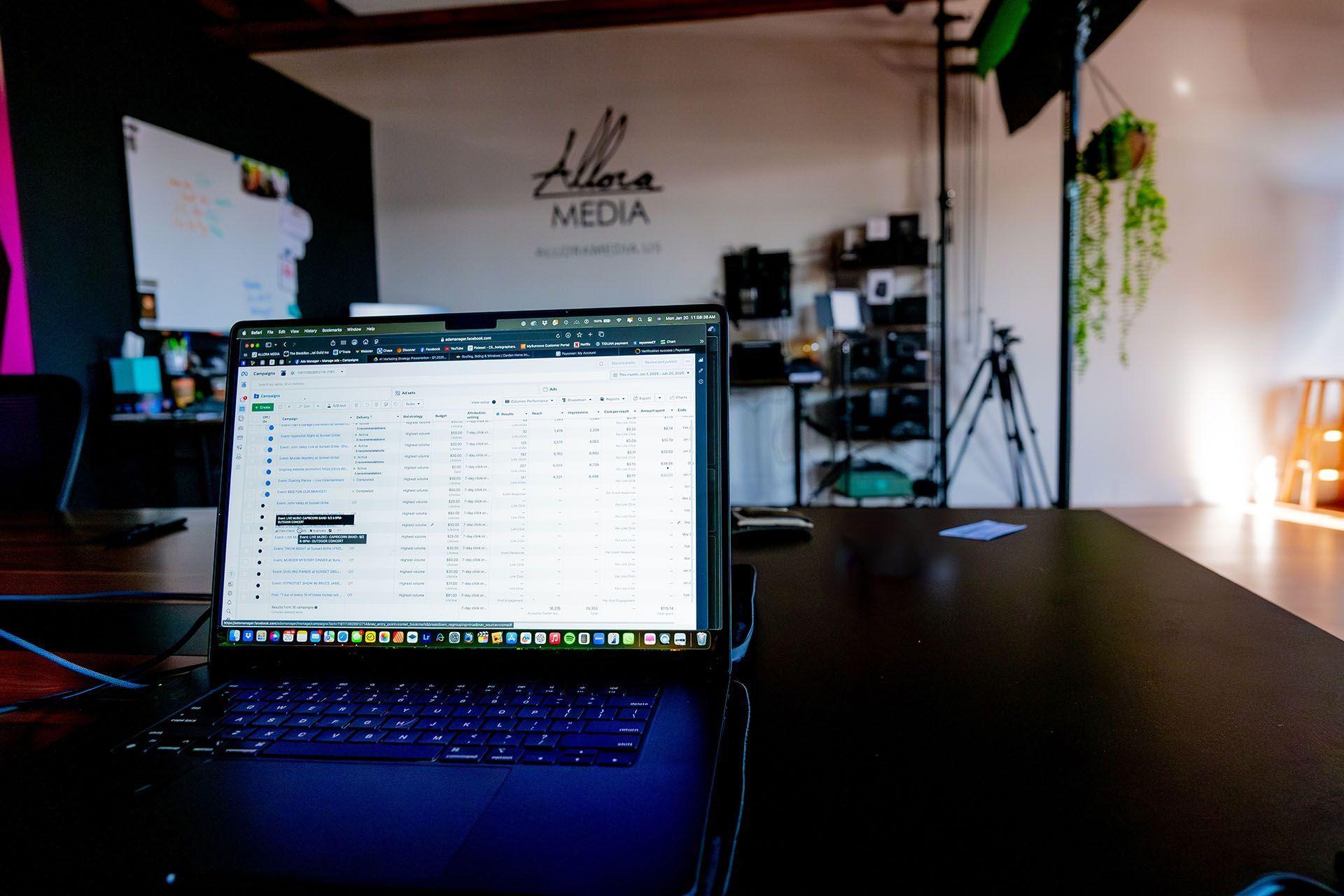
'Didn't work' often means 'we couldn't tell.' Without the Meta pixel on your site, conversion events on your forms, and call tracking on your phone number, you're judging a campaign on likes. A campaign that produced eight phone calls can look like a failure if nobody connected the calls to the ads.
Meta's system needs roughly 50 conversion events per week per ad set to optimize properly. A $10-a-day campaign that ran for two weeks never got out of the learning phase. It's not that ads don't work at small budgets; it's that you can't judge them in that window. Give a campaign 60 to 90 days at a budget matched to your job value.
The lead form fired. Meta did its job. Then the inquiry sat in an inbox for two days, the caller went to voicemail, and the prospect booked with whoever answered first. We see this constantly: campaigns blamed for a sales-process problem. Before you judge any campaign, look at how fast leads got a response.
If two or more of the seven applied to your last attempt, you haven't really tested Facebook ads yet. You've tested a broken version of them. Done properly, with real content, the right objective, proper tracking, and a fair runway, Meta remains the most cost-effective way for a Connecticut local business to reach homeowners and customers in a specific radius.
Jared Saucier
Founder & Creative Director at Allora Media. Running paid advertising campaigns and producing professional media content for Connecticut businesses.
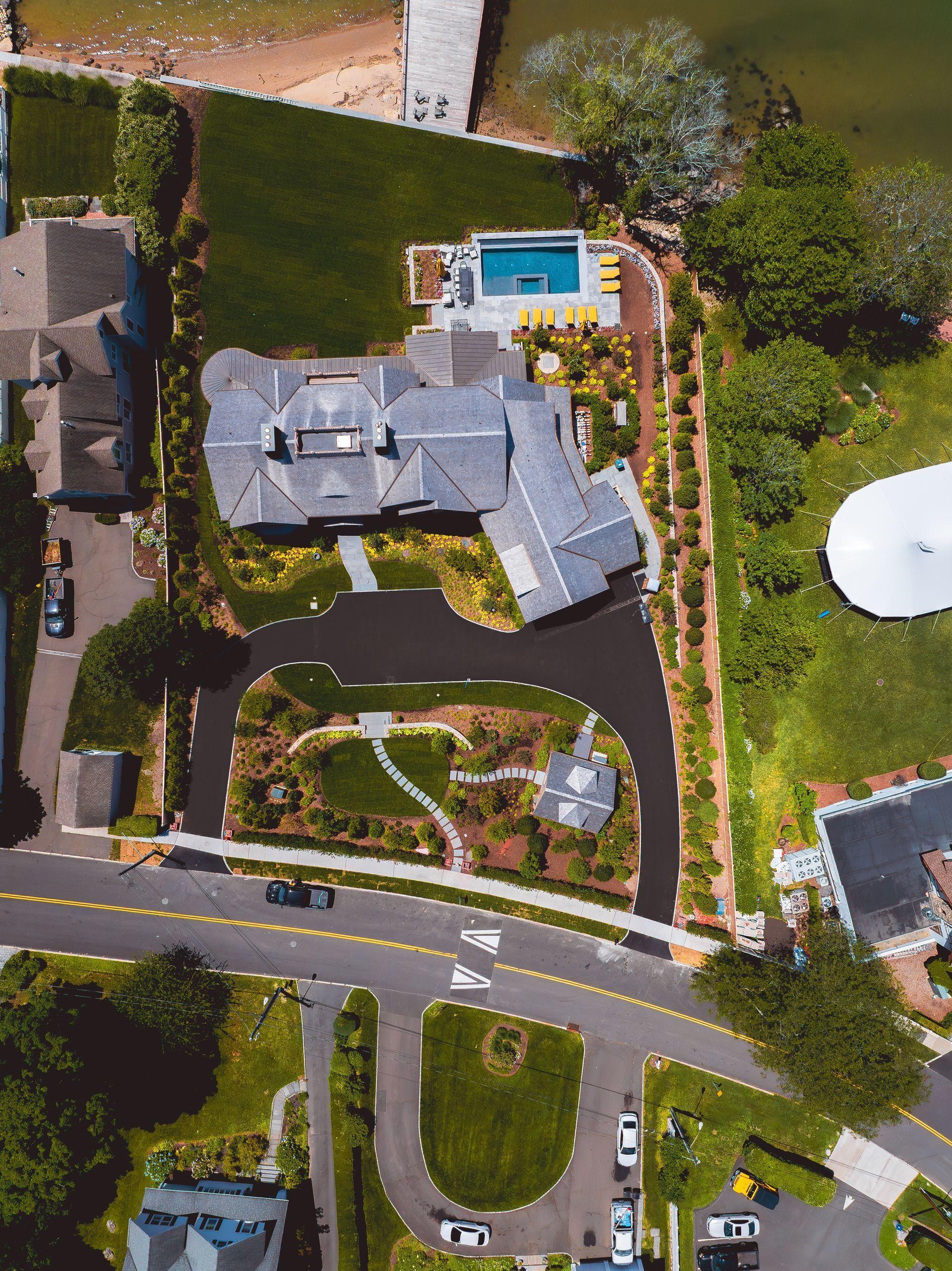
Meta gives you six campaign objectives, and picking the wrong one quietly wastes your budget. Here's what each objective does and which to choose for local lead generation.
A pre-launch review covering tracking, account structure, audience targeting, creative specs, and campaign settings: the same checklist we run before any campaign goes live for clients.
Honest breakdown of Facebook and Instagram ad costs for small businesses: what to expect, how to set your budget, and how to scale what's working.
Book a free Growth Blueprint Call. We'll audit your current marketing, show you the biggest opportunities, and give you a clear plan, whether you work with us or not.