

TL;DR: Key Takeaway
Build a simple in-house product photography studio with affordable equipment: lighting diagrams, camera settings, and an editing workflow that produces consistent results.
Product photography plays a major role in how customers perceive your brand. Clean, well-lit images build trust and make your products look as good online as they do in person. Inconsistent lighting, cluttered backgrounds, and dark shadows create a disconnect between the quality of your product and the way it's presented.
Professional-quality product photography doesn't require a rented studio or a photographer for every shoot. With the right setup, which you can build for under $200, you can produce clean, consistent product images from a corner of your workspace.
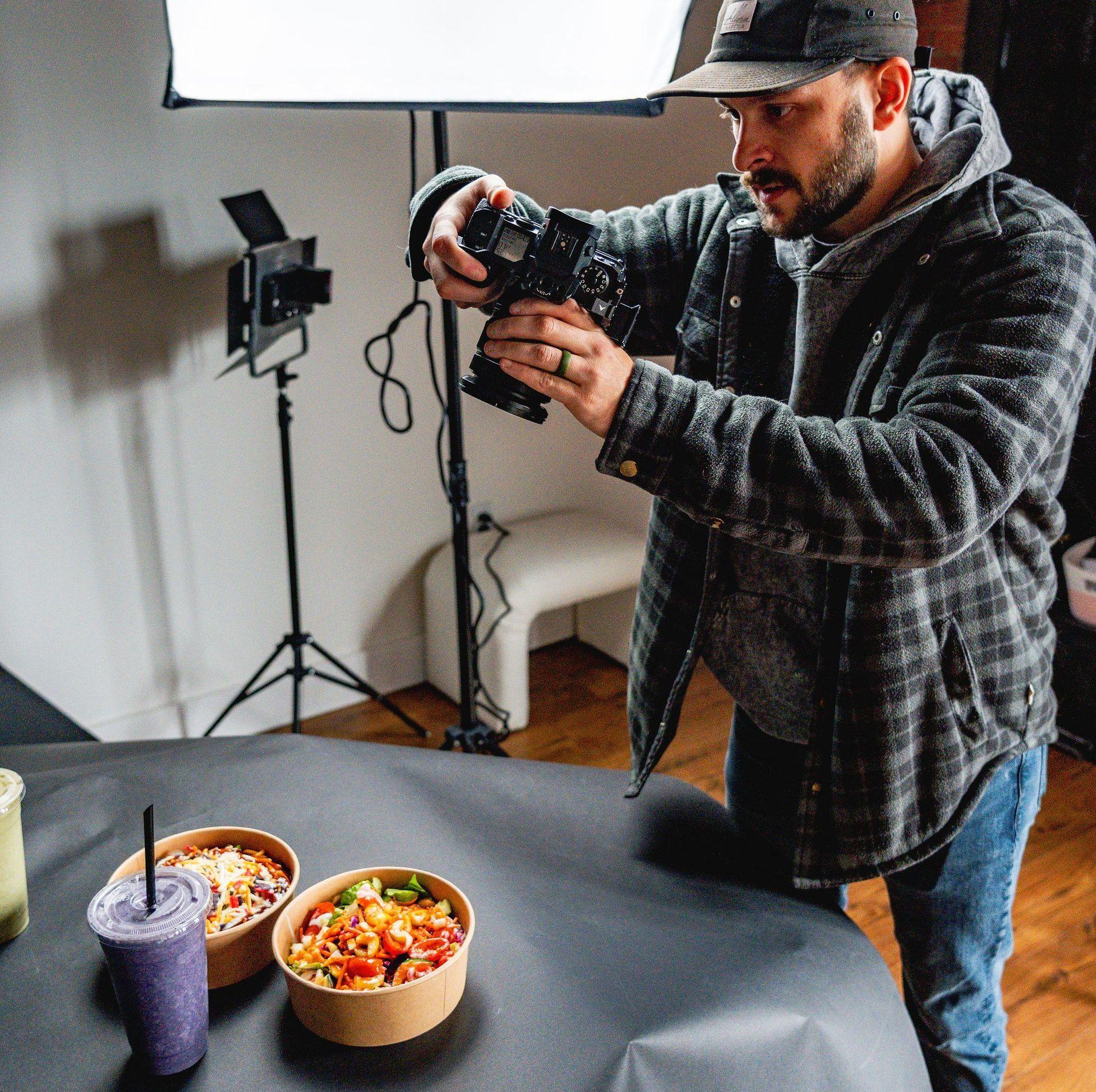
Start with a small, distraction-free backdrop. Seamless paper rolls in white or neutral colors are inexpensive and produce clean results. For smaller products, a portable light tent (a collapsible white fabric cube) gives you a controlled environment that minimizes shadows.
Three common setups cover most product photography needs. Each uses one or two light sources positioned for a specific look.
Position one light directly above the product, slightly angled. Add a foam board on the opposite side to bounce light back and fill shadows. Best for arrangements, lifestyle scenes, and editorial-style compositions.
Position one large softbox at a 45-degree angle to the product, with a fill reflector on the opposite side. Best for catalog-style product shots where you want even, clean lighting across the entire product.
Combine the front-facing setup with a secondary light positioned slightly behind the product for separation from the background. Best for products with depth, where you want to highlight texture and dimension.
Whether you're using a DSLR, mirrorless camera, or your smartphone, the goal is sharp, well-exposed, color-accurate images.
Composition is what separates technically correct images from photos that actually sell the product. A few simple frameworks cover most situations: the rule of thirds for off-center subjects, negative space for clean catalog shots, and consistent prop styling for lifestyle scenes that match your brand.
When grouping multiple products, vary heights and create visual triangles to guide the eye. Use props sparingly and only if they reinforce the product story rather than distract from it.
Post-processing takes good photos to the next level. The basic workflow is the same regardless of which tool you use: adjust exposure, correct white balance, clean up the background, and export at consistent dimensions for your sales channels.
Beyond visual appeal, consistent photography builds brand trust. When every product on your website, social media, and marketplace listings has the same lighting, background, and style, it signals professionalism and attention to detail. That consistency helps customers feel confident in what they're buying.
This is especially important for e-commerce, food and beverage, and beauty businesses where visuals are the primary selling tool. If you need hands-on support, our product photography team is built for exactly this.
Jared Saucier
Founder & Creative Director at Allora Media. Running paid advertising campaigns and producing professional media content for Connecticut businesses.
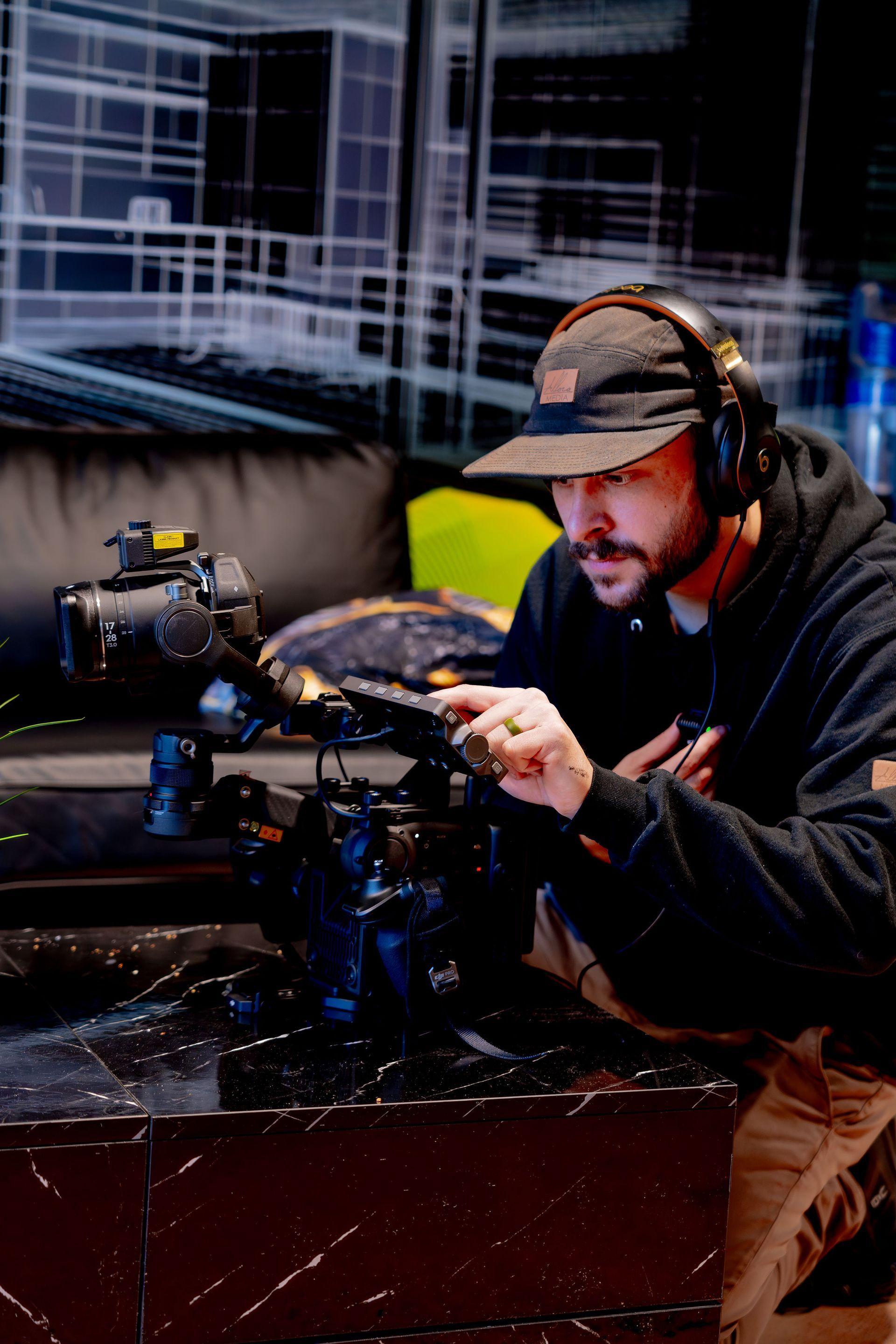
The exact equipment to prioritize for testimonial videos, brand stories, and social content, at every budget level from starter to serious in-house setup.
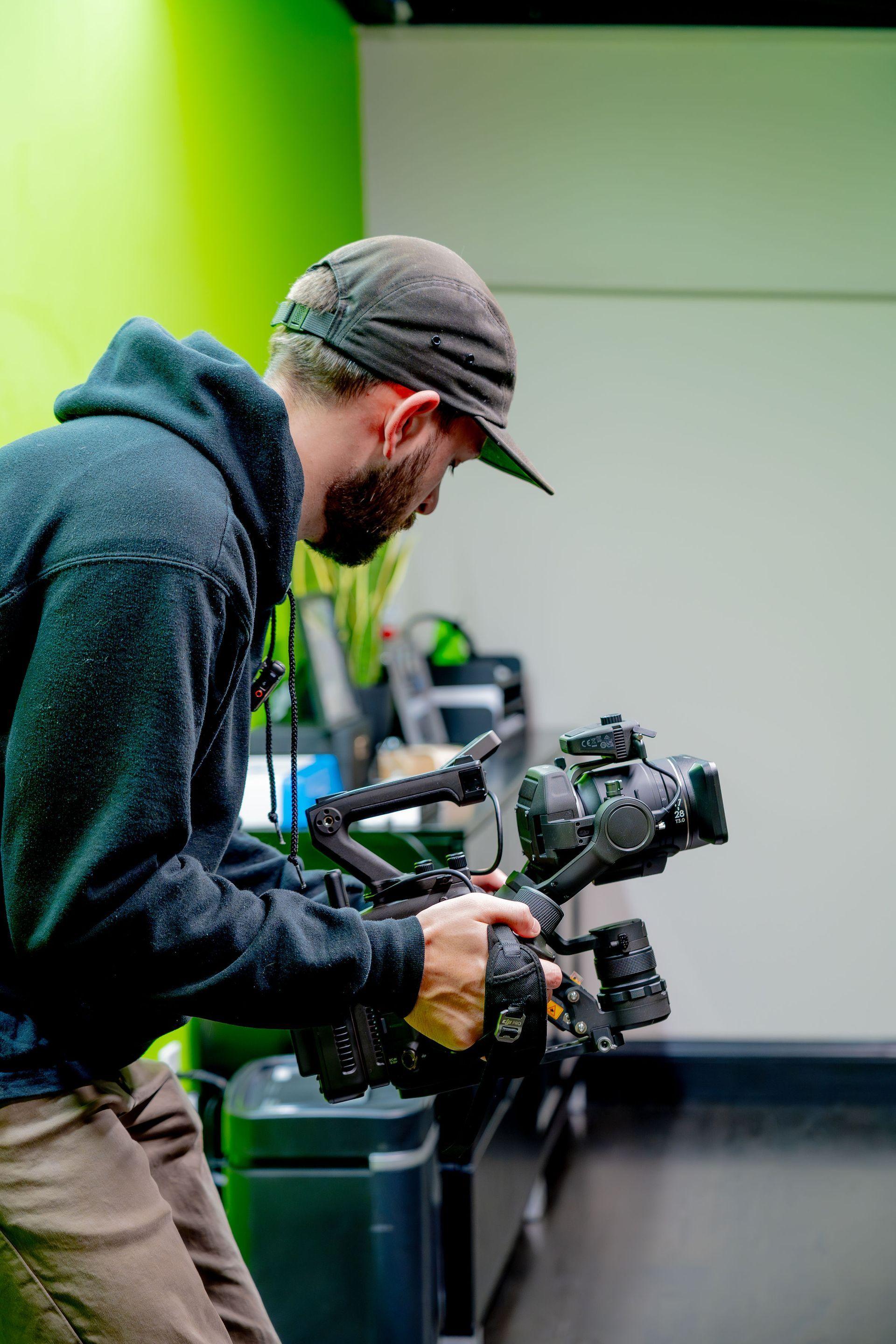
Everything to prepare before your professional video shoot: wardrobe, location, talking points, shot list, and day-of logistics so the shoot runs smoothly.
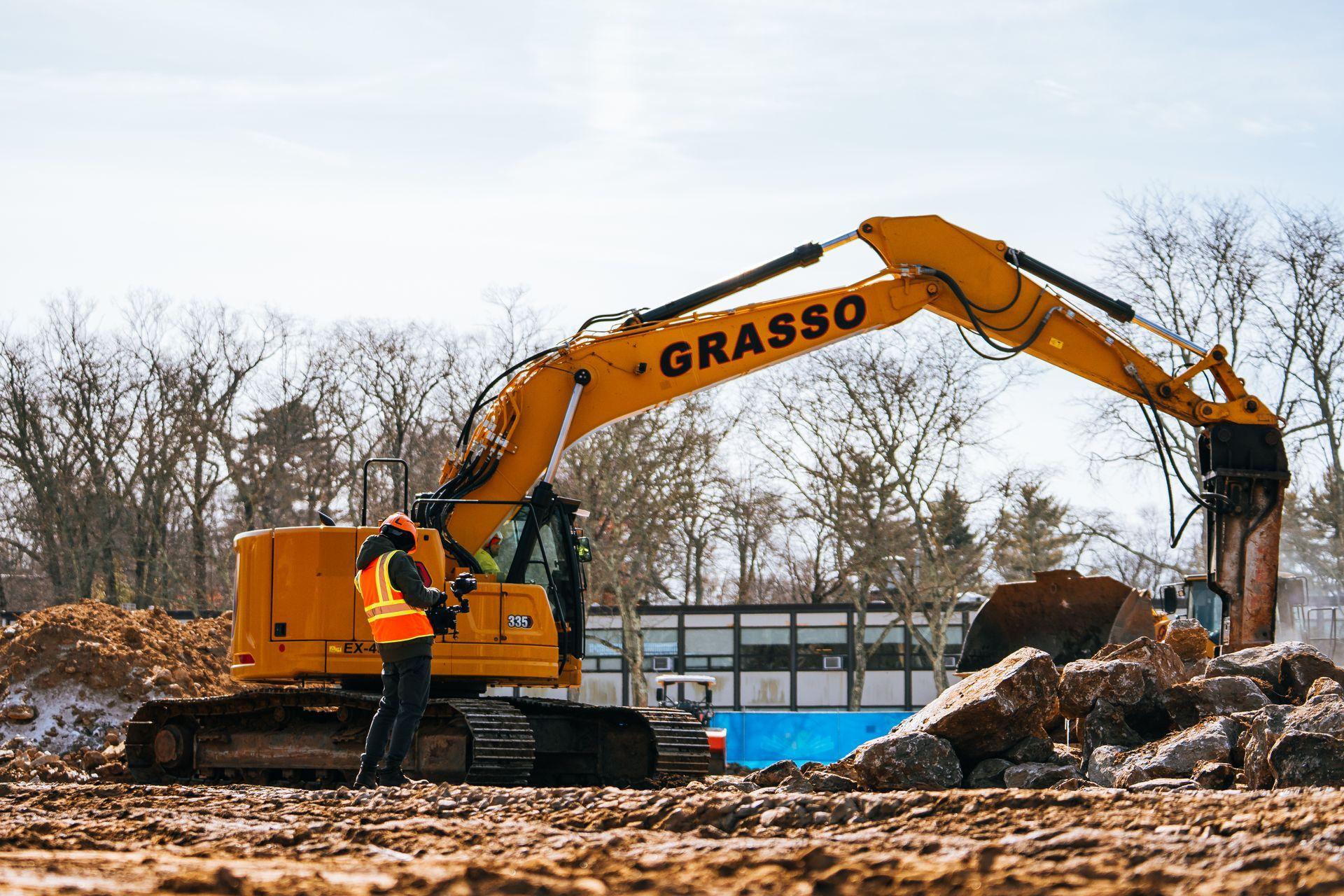
A practical look at content creation for social media as a business: the formats that perform best, how to build a content library efficiently, and when professional production is worth the investment.
Book a free strategy call. We'll review your current marketing, show you the biggest opportunities, and give you a clear plan, whether you work with us or not.